Review: Funny Turkey Cow Moo Thanksgiving Humor Design
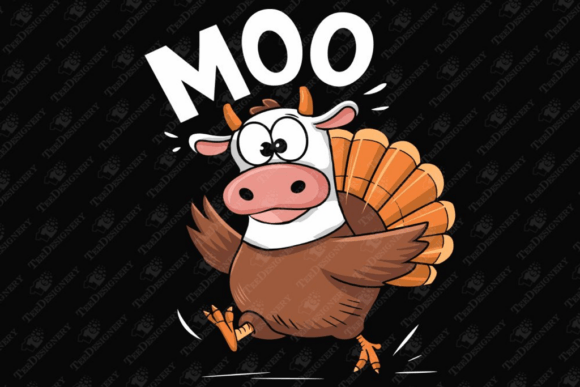
As an embroidery designer who spends half my life staring at digitized paths and the other half pulling threads out of ruined caps, I have developed a sharp eye for what works in the hoop and what ends up as a puckered mess. When I first encountered Funny Turkey Cow Moo Thanksgiving Humor, my initial reaction was skepticism mixed with amusement. The concept is undeniably quirky—a mashup of two animals that have no business being together, let alone celebrating a harvest holiday. But in the world of handmade products, quirkiness often translates directly to sales. The real question isn’t whether it’s funny; it’s whether it stitches cleanly and holds up on actual fabric.
First Impressions and Visual Personality
The mood this design creates is lighthearted and playful. It doesn’t take itself seriously, which is exactly what modern consumers are looking for in holiday decor and apparel. Visually, the layout relies on bold shapes rather than intricate shading. This is a crucial distinction for us as crafters. Designs that rely too heavily on photo-realistic detail often fail when translated into thread, especially on textured fabrics. Funny Turkey Cow Moo Thanksgiving Humor appears to prioritize clear silhouettes and recognizable forms, which suggests it will read well from a distance.
The visual personality fits squarely into the niche of novelty T-Shirt Designs and casual home goods. It feels like something you would see on a boutique shelf rather than a big-box store rack. For Etsy sellers and small shop owners, this distinctiveness is valuable. It stands out in a sea of generic leaf patterns and standard "Give Thanks" typography. The humor acts as a hook, stopping the scroll and inviting a closer look.
Real-World Application: The Tote Bag Test
To evaluate its practicality, I imagined applying this graphic to a canvas tote bag, a staple item for any craft business during the autumn season. Canvas has a visible weave, which can swallow up fine details. If this design were composed of tiny running stitches or delicate satin borders, it would disappear into the fabric texture. However, the bold nature of the cow-turkey hybrid suggests it uses broader fill stitches and thicker outlines.
In this scenario, the design serves as a focal point. Placed centrally on a natural or cream-colored tote, the contrast would be high. For a personalized gift, adding a recipient's name below the graphic in a complementary font could elevate it from a simple novelty item to a cherished keepsake. The humor makes it approachable, reducing the pressure of perfection that often comes with formal holiday gifts. It says, "I have a sense of humor," which is a powerful brand statement for handmade product creators.
Performance on Apparel and Accessories
Beyond totes, this design has strong potential for sweatshirt embroidery. Hoodies and crewnecks provide a large, stable surface area that accommodates medium-to-large hoop sizes. The thickness of sweatshirt fleece also helps hide minor imperfections in stitch density, making it a forgiving substrate for newer embroiderers. However, caution is needed when moving to smaller items.
If you plan to use this on a cap or a baby onesie, you must scrutinize the scale. Caps have curved surfaces that distort designs if they are too wide or dense. A cow shape with broad horns or a turkey with fanned tail feathers might cause registration issues on a structured dad hat. Similarly, for baby embroidery, comfort is paramount. High stitch density can feel scratchy against sensitive skin. If the design relies heavily on dense fill stitches without proper underlay, it may need to be scaled down significantly or avoided for infant wear altogether.
Technical Considerations for Stitching
Before loading this into your machine, there are several technical factors to verify. Since the product description mentions receiving SVG and PNG formats, it is vital to understand that these are not native embroidery files like DST or PES. SVGs are vector graphics, and PNGs are raster images. To create a machine embroidery design from these assets, you will need to digitize them yourself or use auto-digitizing software, which rarely produces professional results for complex shapes.
Important Note: The description states the file is compatible with major cutting machines, implying it is primarily intended for vinyl cutting or sublimation, not direct embroidery. If you intend to stitch this, you must convert the graphic into an embroidery file using specialized software. During this process, pay attention to:
- Stitch Density: Ensure the fill areas are not too dense, which can cause fabric puckering or needle breaks.
- Underlay: Use appropriate underlay stitches to stabilize the design on stretchy or thin fabrics.
- Thread Colors: Test the color palette on both light and dark fabrics. A brown turkey body might vanish on a chocolate-brown sweatshirt.
- Small Details: Check if any elements, like eyes or beaks, are too small to stitch reliably. These may need to be simplified or enlarged.
Navigating Fabric and Hoop Constraints
When working with textured fabrics like terry cloth towels or waffle-knit aprons, the clarity of the design is tested. An applique design approach might be smarter here. Instead of stitching the entire cow-turkey shape with thread, consider using the design as a cut line for fabric applique. This reduces stitch count, saves time, and adds a tactile dimension to the finished product. It also solves the issue of thread blending into textured backgrounds.
For dark fabrics, ensure your digitizing includes a solid white or light-colored underlay if the top threads are not opaque enough. Nothing kills the humor of a design faster than it being illegible due to poor contrast. Always run a test stitch on scrap fabric of the same weight and type as your final project. This step is non-negotiable for maintaining professionalism in your craft business.
Commercial Viability and Brand Consistency
For Etsy sellers and digital product vendors, the versatility of this graphic is a key asset. It can be marketed across multiple categories: holiday decor, kids' clothing, and novelty gifts. The humor appeals to a broad demographic, from grandparents looking for a funny grandkid outfit to young adults hosting Friendsgiving dinners. This broad appeal increases the potential for buyer engagement and social shares.
However, brand consistency matters. If your shop specializes in elegant, minimalist heirlooms, this whimsical design might clash with your existing aesthetic. But if your brand voice is fun, colorful, and accessible, Funny Turkey Cow Moo Thanksgiving Humor fits perfectly. It enhances brand recognition by showing personality. Customers remember the shops that make them smile.
When creating printable mockups or digital previews, show the design in context. Display it on a cozy throw pillow, a festive apron, and a child’s t-shirt. This helps customers visualize the end result and increases perceived value. Remember to clarify licensing terms. Since you are working with SVG/PNG files, ensure you have the right to use the artwork for commercial physical products. If you are digitizing it yourself, the resulting embroidery file is your intellectual property, but the underlying artwork license still applies.
Final Verdict for Makers
In summary, this design offers a strong conceptual hook with practical applications for seasonal merchandise. Its success depends entirely on execution. For those comfortable with digitizing or adapting vector graphics for embroidery, it presents a fun challenge with high reward potential. For those seeking a ready-to-stitch file, be aware that additional processing is required. Treat it as a flexible design asset rather than a plug-and-play solution. With careful attention to hoop size, stabilizer choice, and thread contrast, this quirky mashup can become a standout piece in your holiday collection, delighting customers and adding a touch of whimsy to the traditional Thanksgiving table.