Funny Donut Dad Design: A Designer’s Review
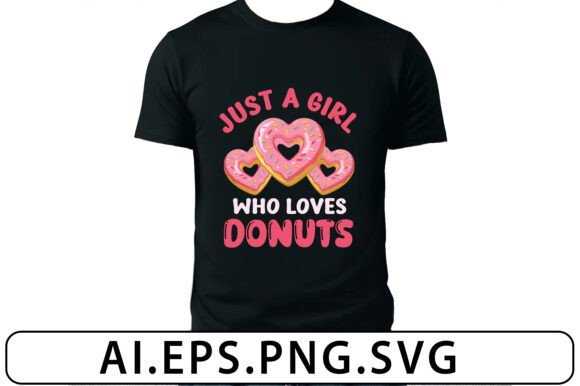
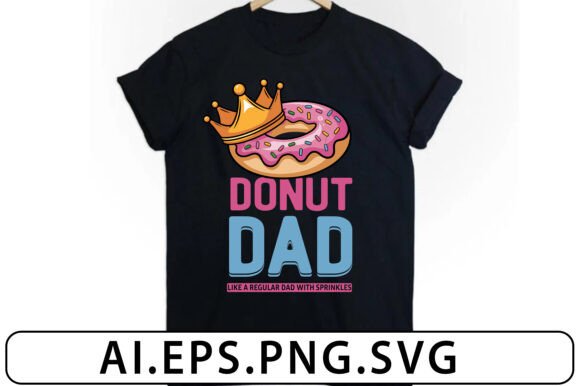
When I first pulled up the Funny Donut Dad Donut Lover T-shirt graphic on my screen, my immediate reaction was one of amused recognition. As an embroidery designer who spends half my life tweaking stitch paths and the other half sourcing the perfect thread colors, I look for designs that do more than just sit on a screen. I look for personality. This particular piece of artwork captures a specific, lighthearted mood that resonates deeply with the current market for personalized gifts and custom apparel. It is not just a generic phrase; it is a visual joke that relies on the interplay between typography and iconography, which makes it a fascinating candidate for translation into thread.
The layout features a playful balance, likely combining bold, rounded lettering with a stylized donut graphic. For those of us working in T-Shirt Designs and Graphics, this combination is critical. The "Donut Dad" concept suggests a father figure who embraces his sweet tooth with pride, a theme that performs exceptionally well in niche markets. From a design perspective, the shapes appear clean and vector-based, which is a promising start. However, moving from a flat digital image to a textured finished product requires a critical eye for detail.
Translating Humor into Stitch
The real test for any machine embroidery design is how it holds up under the needle. When I evaluate a file like this for a client project, I am not just looking at the aesthetic; I am mentally simulating the stitching process. The donut element, presumably featuring sprinkles or icing details, presents both an opportunity and a challenge. If the original artwork uses fine lines for sprinkles, these may need to be simplified into satin stitches or small fill areas to prevent thread breaks and ensure clarity. A cluttered design can look muddy once stitched, especially on textured fabrics.
I recently considered using a similar concept for a custom sweatshirt embroidery project for a local boutique. The client wanted something fun for Father’s Day. In this context, the Funny Donut Dad Donut Lover T-shirt design would need to be scaled appropriately. On a heavy cotton sweatshirt, you have more room for detail, but you also need higher stitch density to cover the fabric texture adequately. Conversely, if this were applied to a lighter tote bag design or a kitchen towel, the density would need to be reduced to prevent puckering. The versatility of the design depends entirely on how well the digitizer has accounted for these variables.
Best Use Cases for Small Shops
For Etsy sellers and craft business owners, this type of graphic is a goldmine because it taps into emotional purchasing. It is not just a shirt; it is a personalized gift that tells a story. I recommend using this design on items where the recipient will feel seen and appreciated. Here are a few practical applications where this design shines:
- Custom Apparel: Perfect for casual t-shirts and hoodies where the humor can be front and center.
- Embroidered Patch: If the design is isolated well, it can be turned into an iron-on patch for caps or jackets, adding value without committing to direct garment embroidery.
- Baby Embroidery: While the text says "Dad," the donut motif is soft and friendly, making it adaptable for matching family outfits or baby onesies with a modified caption.
- Holiday Embroidery: Ideal for Father’s Day bundles or Christmas pajama sets.
The key here is presentation. A well-executed printable mockup can help customers visualize the final result, but the physical quality of the stitch work is what builds customer trust. If the satin edges are jagged or the fill stitches gap, the perceived value drops immediately. Therefore, treating this as a premium design asset means ensuring your machine is calibrated and your stabilizers are chosen correctly.
Navigating Technical Constraints
While the concept is strong, there are areas where caution is necessary. Not every fabric behaves the same way. If you are planning to use this on stretchy materials, such as performance tees or thin jersey, you must use a cut-away stabilizer to support the weight of the thread. Without it, the design may distort after washing. Additionally, dark fabrics require careful consideration of thread colors. If the design relies on light-colored icing details against a dark background, you may need to add an underlay or adjust the color palette to ensure contrast.
Another common pitfall is hoop size. If the design is large, it may not fit in standard 4x4 or 5x7 hoops, requiring a multi-hooping strategy or a larger machine. Always check the dimensions before purchasing or downloading. Furthermore, tiny lettering can be problematic. If the word "Donut" or "Dad" includes intricate serifs or very small font sizes, these may not stitch out cleanly. In such cases, simplifying the font or increasing the size is a necessary adjustment for professional results.
Practical Notes for the Embroiderer
Before you commit to a full production run or list this as a small shop product, take the time to test. Sew out a sample on scrap fabric that matches your intended final material. Check the tension, look for thread loops on the back, and inspect the edges for fraying. If you are selling this as a digital embroidery file, ensure you provide clear instructions on recommended settings. If you are selling the handmade product itself, document your process to show buyers the care involved.
It is also vital to verify licensing. The product description mentions it is a vector file and print-ready, but for embroidery, you need to confirm if it includes actual stitch files (like DST, PES, or JEF) or if you need to digitize it yourself. If it is just a graphic, you must have the rights to convert it into an applique design or stitch file for commercial use. Never assume; always read the terms.
In conclusion, the Funny Donut Dad Donut Lover T-shirt design offers a charming blend of humor and visual appeal that fits well within the modern landscape of commercial embroidery. It appeals to the heart, which is often the best driver of sales in the handmade community. By paying attention to technical details like stitch density, fabric choice, and color contrast, you can transform this simple graphic into a high-quality, memorable item that stands out in a crowded marketplace. Whether for a client’s custom order or your own boutique inventory, this design has the potential to deliver both joy and professionalism when handled with expertise.