Reviewing the Funny Christmas Dog SVG for Holiday Embroidery
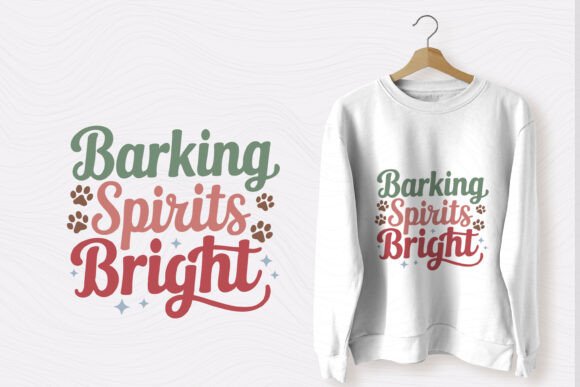
As a designer who has spent countless hours hooping fabric and troubleshooting thread breaks, I approach every new digital asset with a mix of curiosity and caution. We all know that what looks crisp on a computer screen does not always translate seamlessly to thread and fabric. Recently, I took a close look at the Funny Christmas Dog Saying SVG Barking design to evaluate its potential for real-world embroidery projects. This is not just about downloading a file; it is about understanding how a graphic translates into a tactile, stitched product that customers will wear, use, and love.
The first impression of this design is one of playful warmth. The theme is unmistakably festive, capturing that chaotic joy dogs bring to the holiday season. For those of us in the craft business, mood is everything. A design needs to evoke an immediate emotional response. This piece succeeds because it balances humor with traditional Christmas aesthetics. However, as an experienced reviewer, I look past the initial charm to assess the technical viability. How will those curves stitch out? Is the text legible at smaller sizes? These are the questions that determine whether a design becomes a bestseller or a pile of scrapped fabric.
Visual Personality and Stitching Potential
When evaluating Graphics for conversion into a machine embroidery design, layout is critical. This particular asset features bold lines and clear shapes, which are generally favorable for stitching. The "barking" element suggests motion and energy, which can be tricky to render without excessive density. In my assessment, the design relies on strong outlines rather than intricate internal detailing. This is a positive sign for embroidery, as it reduces the risk of puckering and allows for faster production times.
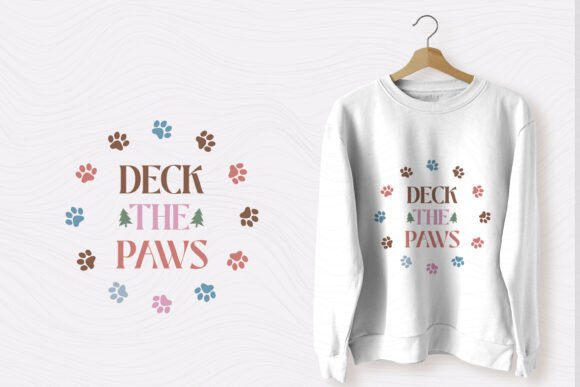
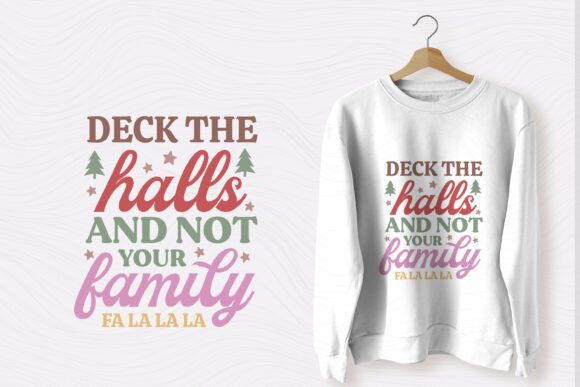
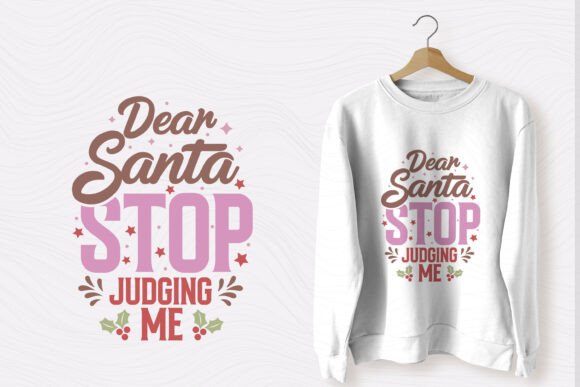
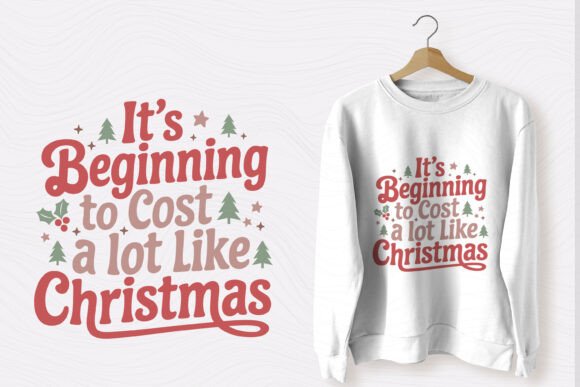
The visual personality here is casual and approachable. It fits naturally into the category of T-Shirt Designs but extends far beyond apparel. I envision this working beautifully as a focal point on a cozy sweatshirt or as a whimsical accent on a kitchen towel. The simplicity of the concept means it does not compete with complex fabric textures. Whether you are using a soft fleece or a sturdy canvas tote, the design maintains its integrity. This versatility is crucial for Etsy sellers and small shop product creators who need to maximize the utility of their design assets.
Real-World Application Scenarios
To truly test the value of any embroidery file, we must imagine it in a finished product. I recently considered this design for a custom order involving personalized holiday gifts. Imagine a set of matching family pajamas. Placing this dog motif on the chest pocket area creates a charming, cohesive look. Alternatively, think about a heavy-duty canvas tote bag design. The bold nature of the graphic stands up well against the rougher texture of canvas, making it an ideal candidate for grocery bags or beach totes that see frequent use.
Another excellent application is baby embroidery. Parents love durable, cute items. A bib or a onesie featuring this funny dog saying would make a memorable personalized gift. However, when working with baby items, comfort is paramount. This leads me to discuss where caution is needed. While the design is appealing, its suitability depends heavily on execution. If the original graphic contains very fine details or tiny lettering, these may not survive the stitching process well on stretchy fabrics like jersey knits. In such cases, simplifying the design or increasing the scale is necessary to maintain clarity.
Navigating Technical Challenges
Every embroidery project comes with technical hurdles. When using this type of graphic, pay close attention to stitch density. If the design is converted with too many overlapping stitches, it can cause the fabric to pucker, especially on lighter materials like cotton tea towels or thin t-shirts. I recommend using a cut-away stabilizer for garments that will be washed frequently, as it provides better long-term support than tear-away options.
Curved surfaces present another challenge. If you plan to use this on a cap or hat, the distortion caused by the curve can warp the text or shape of the dog. In these instances, testing on a scrap piece of similar fabric is non-negotiable. You need to verify that the hoop size you select accommodates the entire design without cropping essential elements. Additionally, consider the contrast between your thread colors and the fabric. A dark thread on a dark fabric will render the design invisible, no matter how good the digitizing is. Always test your color combinations on physical swatches before committing to the final finished product.
Commercial Viability and Brand Consistency
For commercial embroidery professionals and craft business owners, consistency is key. This design offers a consistent aesthetic that can help build brand recognition. If your shop specializes in humorous, pet-friendly holiday items, this asset aligns perfectly with that niche. It enhances the perceived value of your handmade product by offering something unique and timely. Customers are more likely to engage with products that feel personal and specific, rather than generic mass-produced items.
However, before listing this as a digital embroidery file or selling finished items, you must verify the licensing terms. The product description mentions receiving EPS, SVG, and PNG files, which are standard vector and raster formats. While SVGs are great for cutting machines, ensure that the file is properly digitized for embroidery if you are not doing the conversion yourself. If you are converting it, check the node count and path direction to ensure smooth stitching. Never assume a graphic is ready for embroidery without inspection.
Practical Designer Notes
Here are my top recommendations for getting the best results with this design:
- Test on Scrap Fabric: Always run a test stitch on the same material you intend to use for the final product. This reveals issues with tension and density early.
- Check Thread Contrast: Use high-contrast thread colors to ensure the design pops, especially on busy or dark fabrics.
- Verify Hoop Size: Ensure your machine’s hoop can accommodate the full dimensions of the design without resizing it to the point of losing detail.
- Inspect Small Details: Zoom in on the digital file. If there are tiny gaps or overly thin lines, they may need adjustment before digitizing to prevent thread breaks.
- Consider Fabric Texture: Textured fabrics like terry cloth or fleece may hide fine details. Adjust the design scale accordingly.
- Confirm Licensing: Review the seller’s terms regarding commercial use. Ensure you have the right to sell items made with this design if that is your intent.
In conclusion, the Funny Christmas Dog Saying SVG Barking is a promising asset for holiday-themed projects. Its strength lies in its clear, bold visual language that translates well to various mediums. By paying attention to technical details like stabilizer choice, thread tension, and fabric compatibility, you can transform this digital graphic into a high-quality embroidered patch, apparel item, or home decor piece. For apparel decorators and creative entrepreneurs, it offers a reliable foundation for creating memorable, sellable goods this holiday season.