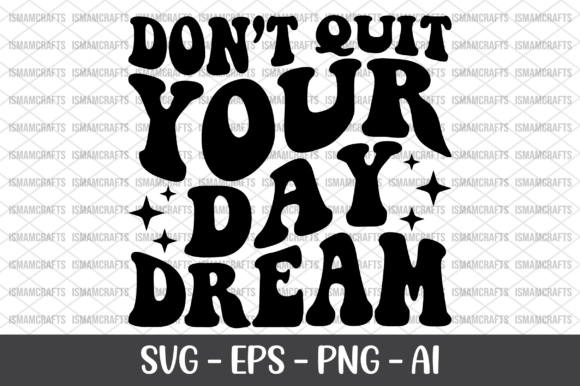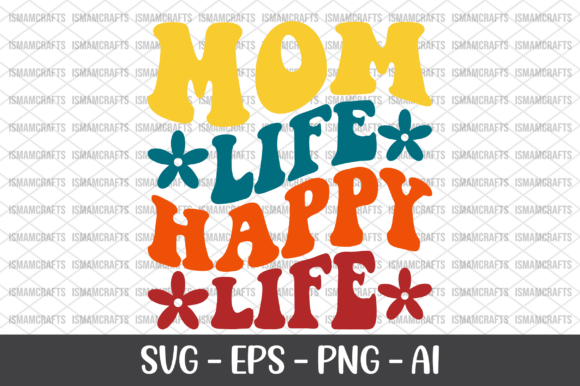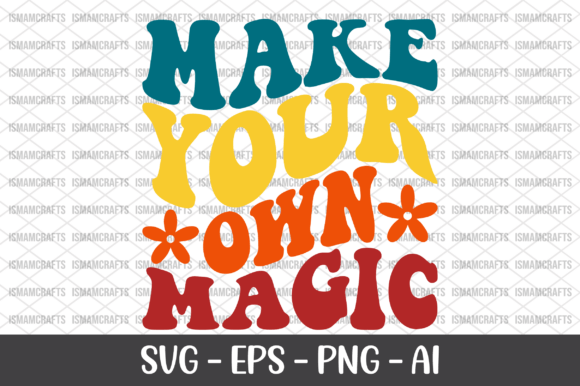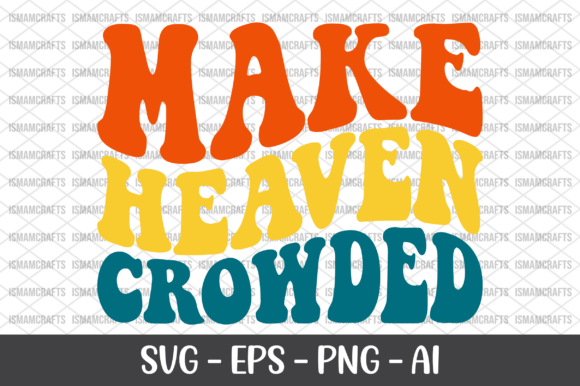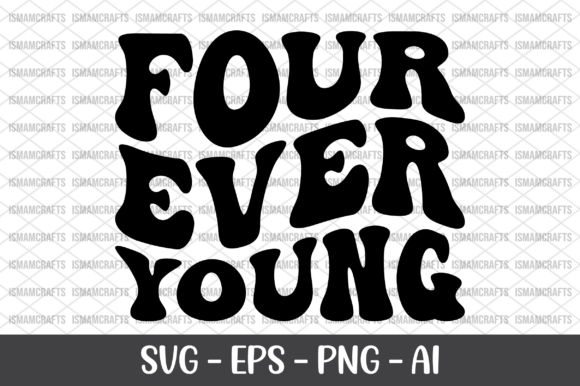
Reviewing Four Ever Young Retro SVG for Real Stitching
As a designer who has spent countless hours staring at digitizing software and watching needles punch through fabric, I have learned that not every pretty graphic translates well into thread. When I first opened the Four Ever Young Retro SVG, my initial reaction was one of cautious optimism. The retro aesthetic is currently dominating the handmade market, but it often comes with pitfalls like excessive detail or poor line weight that can ruin a clean stitch-out. This review is not just about how the file looks on a screen; it is about how it performs when you are trying to create a high-quality finished product for a client or your own shop.
First Impressions and Visual Personality
The mood of this design is unmistakably nostalgic yet fresh. It captures that specific mid-century modern vibe that appeals to a wide demographic, from millennials looking for trendy decor to older customers who appreciate classic typography. The layout feels balanced, with a visual personality that is bold without being aggressive. For an embroidery project, this is crucial. You want a design that reads clearly from a distance but holds up under close inspection. The shapes appear solid, which suggests that if digitized correctly, it could rely heavily on reliable fill stitch areas rather than fragile running stitch outlines that might snag or look sparse.
However, seeing it as a vector graphic is only half the battle. The real test is imagining it on fabric. Does the retro flair feel cheesy, or does it feel curated? In my opinion, Four Ever Young Retro SVG leans toward the latter. It has a professional polish that suggests it belongs in a boutique setting rather than a discount bin. This distinction matters immensely when you are building brand consistency for your craft business.
Real-World Application: The Tote Bag Test
To evaluate this properly, I mentally placed this design on a few common items. Let’s consider a custom embroidered tote bag. This is a staple for many Etsy sellers and small shop owners. A tote bag offers a large, flat canvas, which is ideal for showcasing the full scope of the design. The retro theme pairs beautifully with natural cotton or canvas textures. When stitching on these materials, the stitch density becomes a critical factor. If the design is too dense, it can cause the fabric to pucker or tear. If it is too light, the background fabric might show through, ruining the visual appeal.
I also envisioned this on a sweatshirt. Sweatshirt embroidery requires a different approach because of the plush texture of the fleece. Here, the bold lines of the retro style work in your favor. Thin, delicate details often get lost in the pile of a hoodie, but the substantial forms in this graphic should stand out nicely. It would make for an excellent personalized gift or a standout piece in a line of custom apparel. The key is ensuring that the thread colors you choose have enough contrast against the garment. A muted pastel thread on a heather grey sweatshirt might look sophisticated, while a bright neon on black could scream "novelty." Know your audience.
Navigating Tricky Surfaces and Fabrics
While the design shines on flat, stable fabrics, there are places where you need to proceed with caution. Curved surfaces, such as caps or hats, present a challenge. The distortion caused by the curve can stretch the design, potentially warping the retro lettering or shapes. If you plan to use this for an embroidered patch or directly on a cap, you must hoop it tightly and use a strong cut-away stabilizer to prevent shifting. Additionally, tiny corners in retro fonts can sometimes bunch up if the digitizing includes too many stops and starts. Always inspect the pathing if you have access to the editing software.
Textured fabrics like terry cloth towels or waffle-weave blankets also require attention. The Four Ever Young Retro SVG might lose some definition on highly textured surfaces. In these cases, consider using an applique design technique if the file allows, or simply ensure your stitch count is sufficient to cover the texture without becoming so dense that the item loses its softness. For baby embroidery items, comfort is paramount, so avoid overly stiff backing materials.
Commercial Viability and Customer Trust
For those of us selling design assets or finished goods, the perceived value of the product is tied directly to the quality of the execution. A clean, crisp stitch-out builds customer trust. When a buyer receives a holiday embroidery gift or a wedding present that looks professionally made, they are more likely to return. This design has the potential to elevate your small shop product lineup because it feels current and versatile. It works well for T-Shirt Designs and other Graphics applications, but its strength lies in the tactile nature of embroidery.
Using this as a digital embroidery file means you have the flexibility to resize it for different hoop size constraints. However, resizing vectors for embroidery is not always straightforward. Enlarging a design can expose gaps in the digitizing, while shrinking it can merge details into a blob. Before listing this as a commercial item or using it for client work, verify how it scales. Create printable mockup previews to show customers how it might look on different items, but always be transparent about the final stitched result.
Practical Designer Notes for Best Results
- Test on Scrap Fabric: Never stitch a new design directly on your final garment. Use a similar fabric scrap to check tension and registration.
- Check Thread Contrast: View your design in black and white to ensure the shapes remain distinct without color reliance.
- Verify File Formats: The product description notes you receive AI, SVG, EPS, and other files. Ensure you have the correct machine-specific format (like PES or DST) or use conversion software carefully, as auto-digitizing can lead to poor results.
- Stabilizer Selection: Match your stabilizer to your fabric. Use tear-away for stable woven fabrics and cut-away for knits and stretchy materials.
- Licensing Check: Confirm the license terms included in the zip file. Understand whether you can sell physical items made with this design and if there are restrictions on digital resale.
In conclusion, Four Ever Young Retro SVG is a promising asset for designers who understand the nuances of thread and fabric. It is not just a graphic; it is a starting point for creating tangible value. Whether you are making a tote bag design for a local market or a batch of holiday embroidery gifts, this design offers a stylish foundation. Just remember that the magic happens in the stitching. Take the time to prep, test, and refine, and you will produce a handmade product that stands out in a crowded marketplace.