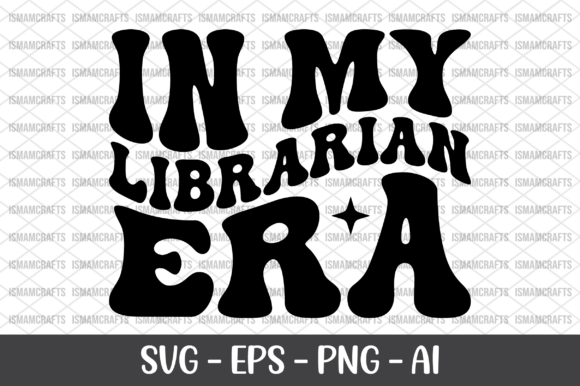
In My Librarian Era Retro SVG: A Designer’s Review
As a designer who spends half my life digitizing and the other half stitching, I have learned to look past the flashy preview images. What matters is how a machine embroidery design behaves under the needle. When I first opened the In My Librarian Era Retro SVG, I was not just looking at a graphic; I was visualizing the stitch path, the thread tension, and the final texture on fabric. This is not merely a digital asset; it is a potential cornerstone for a small shop product line or a heartfelt personalized gift.
First Impressions: Mood and Visual Personality
The immediate vibe of this design is nostalgic yet modern. The "retro" aesthetic is achieved through bold, rounded typography and simplified iconography that hints at vintage library cards or mid-century book spines. For an embroidery project, this is promising. Complex gradients and thin lines are the enemies of the sewing machine, but this design relies on strong shapes. The layout feels balanced, with a central focal point that draws the eye without overwhelming the surrounding negative space. It creates a mood of cozy intellectualism, perfect for customers who identify with the "bookish" trend currently dominating social media and boutique fashion.
Real-World Application: From Digital File to Finished Product
To truly evaluate the In My Librarian Era Retro SVG, I imagined a specific scenario: a custom order for a local independent bookstore launching a new line of merchandise. They needed something versatile for both apparel and accessories. Here is how I see this design performing across various mediums.
Apparel and Custom Sweatshirts
On a heavyweight cotton sweatshirt, this design shines. The bold lines translate well into satin stitch or a dense fill stitch, providing a tactile, raised effect that feels premium. For T-Shirt Designs, however, caution is required. If the design is large, the weight of the embroidery might pull on a lightweight jersey knit. In such cases, using a lighter fill density or converting parts of the design to running stitch can maintain the visual appeal without compromising the drape of the fabric.
Tote Bags and Canvas Goods
This is arguably the best home for this graphic. A canvas tote bag provides a stable, non-stretchy surface that handles higher stitch density beautifully. The In My Librarian Era Retro SVG would look striking as a central chest print or a larger back panel design. The contrast between the thread colors and the natural canvas texture adds depth, making the handmade product feel artisanal rather than mass-produced.
Embroidered Patches and Caps
For curved surfaces like caps, the design needs to be scaled down. The retro lettering must remain legible. If the text becomes too small, the stitches may merge, losing definition. As an embroidered patch, however, it works wonderfully. You can use a cut-away stabilizer to ensure the patch holds its shape, and the bold outlines prevent fraying over time.
Technical Considerations for Embroidery Designers
Before you load this into your machine, there are critical technical factors to consider. Remember, this is a digital download, meaning you receive vector files like AI, SVG, and EPS. These are not yet embroidery files. You must digitize them or convert them using specialized software. This step is crucial because an SVG does not inherently know about stitch direction, underlay, or pull compensation.
- Stitch Density: Retro designs often feature solid blocks of color. Ensure your digitizing software does not create excessive density, which can cause puckering, especially on thinner fabrics.
- Fabric Texture: Test on scrap fabric first. Textured fabrics like terry cloth or waffle knit can hide fine details. For these, simplify the design further or increase the size.
- Thread Color Contrast: The success of this design relies on contrast. Use a color chart to select threads that pop against your base fabric. A dark navy thread on a black shirt will vanish, whereas a cream or mustard yellow will stand out vividly.
- Stabilizer Choice: For stretchy fabrics like baby clothes or athletic wear, use a tear-away or cut-away stabilizer depending on the garment's longevity needs. For stable woven fabrics like aprons or pillow covers, a light tear-away is usually sufficient.
Navigating Challenges: Where to Use Caution
While the In My Librarian Era Retro SVG is versatile, it is not universal. Small hoop sizes present a challenge. If you are working with a 4x4 inch hoop, you may need to crop the design or focus on just the icon element, leaving out the text. Tiny lettering is another risk area. If the font size is reduced too much, the letters may become illegible blobs of thread. Always do a test stitch on a similar fabric to check readability.
Dark fabrics require careful planning. If you are stitching on black or navy, you might need an underlay of white thread to make the colors vibrant, or choose thread colors specifically designed for dark backgrounds. Additionally, consider the end-use. Items that undergo frequent washing, like kitchen towels or baby items, need secure stitching. Ensure your start and end points are locked properly to prevent unraveling.
Commercial Value and Brand Consistency
For Etsy sellers and craft business owners, this design offers significant commercial potential. The "librarian" niche is evergreen, appealing to teachers, readers, and literary enthusiasts. Using this graphic in your marketing materials, such as printable mockups or digital product previews, can help visualize the finished product for potential buyers. It enhances brand consistency if your shop focuses on literary or vintage-themed items.
However, always verify licensing terms. Since this is a digital product, ensure you have the right to use the converted embroidery file for commercial sales. Most designers allow selling finished physical items, but reselling the digital file itself is typically prohibited. Check the specific license included in your zip file package.
Final Verdict: Is It Worth the Stitch?
The In My Librarian Era Retro SVG is a strong candidate for your next embroidery project. Its clean lines and retro charm translate well into thread, provided you respect the limitations of the medium. It is ideal for tote bags, sweatshirts, and patches, where its boldness can be fully appreciated. For delicate fabrics or tiny hoops, proceed with caution and adjust accordingly.
As a reviewer, I appreciate designs that offer flexibility. This graphic allows for creativity in color choice and placement, making it a valuable asset for both hobbyists and professional embroiderers. Whether you are creating holiday embroidery gifts or stocking your small shop with unique merchandise, this design has the visual personality to engage customers and elevate your handmade products. Just remember to digitize with care, test thoroughly, and let the quality of your stitching speak for itself.